Sensitive skin changes the conversation around laser hair removal. The promise is appealing - long term hair reduction with far less maintenance - but the path must be more deliberate. I have treated clients who flush at the hint of heat, who develop bumps after a single shave, and who have battled ingrowns for years. They can succeed with laser hair removal treatment, as long as the approach prioritizes skin safety first, hair removal second.
How laser targets hair and why that matters for reactive skin
Hair removal laser treatment works by directing concentrated light at melanin within the hair shaft and follicle. That light converts to heat, damaging the structures that regrow hair. The thicker and darker the hair, the more energy it absorbs. That is why coarse underarm hair, bikini hair, or a dense beard can respond quickly, while very fine facial hair often needs more sessions.
Skin also contains pigment. With sensitive or easily inflamed skin, we balance fluence, pulse duration, wavelength, and cooling to protect surrounding tissue. Two details matter most in practice. First, the pulse must be long enough that hair heats before the skin does. Second, epidermal cooling must be consistent. Clinics that deliver safe laser hair removal on a daily basis rely on excellent cooling and conservative settings, then build upward as the skin proves it can tolerate more.
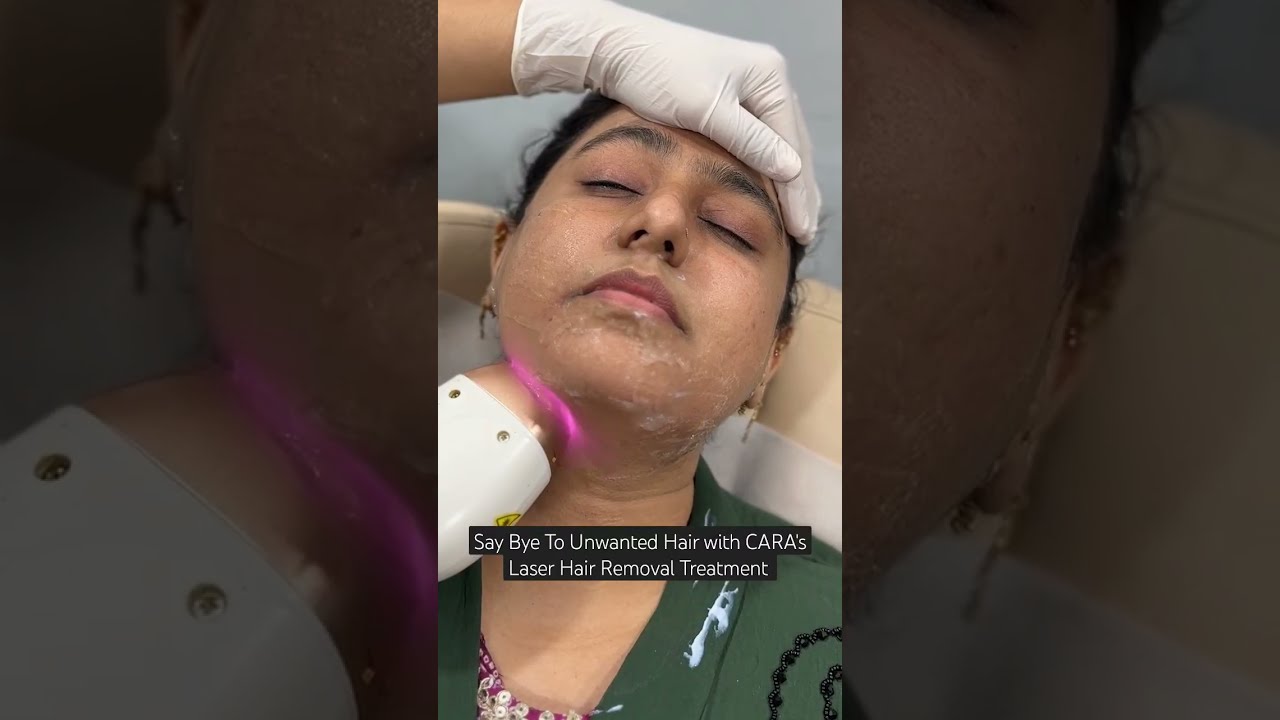
Devices that tend to play nicely with sensitive skin
All professional laser hair removal machines can be dialed up or down. The right match depends on your skin tone, hair color, and how your skin reacts laser hair removal near me to heat or pressure.
- Alexandrite 755 nm: Highly effective for light to medium skin (Fitzpatrick I to III) with dark hair. It is efficient, but it deposits more energy into superficial pigment compared to longer wavelengths. For sensitive light skin, it can still be a top performer when paired with robust cooling spray and cautious test spots. Diode 805 to 810 nm: Versatile across a broad range of skin types, especially Fitzpatrick II to IV. Diode laser hair removal can be gentle when set with longer pulse widths and used in in-motion modes that slowly build heat. Many clinics consider it the workhorse for both laser hair removal for women and laser hair removal for men. Nd:YAG 1064 nm: The safest option for dark or richly pigmented skin (Fitzpatrick IV to VI) because the energy bypasses much of the epidermal melanin. For sensitive skin with deeper tones, Nd YAG laser hair removal is often the first choice. It can feel sharper, so extra cooling and topical numbing may be part of the plan.
For individuals with very fair skin and light blond, red, or gray hair, permanent laser hair removal will be limited because there is little melanin for the laser to find. In those cases, a thorough laser hair removal consultation should include alternatives like electrolysis for true permanence in low pigment hair.
What “gentle” really looks like in a session
A gentle laser hair removal session does not mean ineffective. It means the provider takes a few steps that reduce risk without compromising on results.
Expect a measured start. Good providers perform test spots at two or three settings in a discreet area at least 48 to 72 hours before a larger area. They look for delayed redness, swelling, hives, or pigment change. If your skin passes the test, the session proceeds with that agreed setting.
Cooling is non negotiable. Modern platforms use contact cooling (a chilled sapphire tip), pre and post cryogen spray, or continuous cold air. Sensitive skin often prefers contact cooling, because it is steady and close to the skin. I have had clients who could not tolerate a single pass without a cold air chiller, then sail through the entire face laser hair removal plan once we added it.
Pacing matters. Rather than a marathon first visit, I often split areas for sensitive clients. For example, underarm laser hair removal plus bikini laser hair removal in one appointment, then face a week later. This allows you to learn how your skin responds without stacking inflammation everywhere at once.
Finally, downtime should be minimal. A little redness and perifollicular edema - tiny goosebump like rings around each hair - is a positive sign that follicles were heated. On sensitive skin, the goal is to see those reactions fade within a few hours. If they linger past a day, your settings may need adjustment.
Preparing sensitive skin without poking the bear
When your skin protests over small things, pre care deserves attention. The right prep keeps the session calm, and the right aftercare keeps the progress on track.
Quick prep checklist for sensitive skin
Pause sun exposure and self tanners for 2 to 4 weeks; use SPF 30 to 50 daily on exposed areas. Skip exfoliants and actives for 3 to 5 days pre treatment, especially retinoids, AHAs, BHAs, and benzoyl peroxide. Shave the area 12 to 24 hours before your appointment; avoid waxing, plucking, or threading for at least 3 to 4 weeks. Flag photosensitizing meds and topicals at your laser hair removal consultation, including isotretinoin, doxycycline, and certain herbal supplements. Arrive with clean, product free skin; no oils, antiperspirant, perfumes, or makeup on the treated area.A note on medications. If you took isotretinoin in the past year, your clinic may ask you to wait 6 months after completion, sometimes longer, before laser. Topical retinoids can usually be paused a few days before and after treatment, but confirm with your dermatologist.
What it feels like when done right
Pain varies by area and device. Most clients describe a quick elastic snap and heat that fades immediately. On a 0 to 10 scale, many put forearms at a 2 to 3, legs and underarms at a 3 to 5, upper lip and bikini at a 5 to 7. With cooling and mindful settings, sensitive skin can tolerate sessions that would otherwise feel overwhelming. Topical anesthetic can be considered for small, high sensitivity zones like the upper lip or along the bikini line. I avoid heavy numbing creams on large surfaces for safety and to keep feedback honest; if you cannot feel anything, it is harder to detect too much heat.
Choosing a clinic when your skin reacts easily
Searches for laser hair removal near me or best laser hair removal clinic will return an avalanche of options. For reactive skin, vetting matters more than price or speed. Look for a laser hair removal center or med spa that:
- Offers multiple wavelengths and can explain why one is better for your skin. Performs documented test spots and tracks settings across visits. Uses high grade cooling and has sensitive skin protocols. Has laser hair removal specialists who are comfortable adjusting energy, pulse width, and spot size. Shares realistic before and after photos for your skin tone and hair type.
If a laser hair removal clinic pushes full body laser hair removal on day one without a test, or offers cheap laser hair removal with one device for everyone, keep looking. Affordable laser hair removal is possible at a professional laser hair removal practice, but it should not trade away safety. Ask for laser hair removal reviews related to sensitive skin or a brief trial pass on a small area during your consultation.
The session cadence: how many, how often, and for which areas
Hair cycles drive scheduling. Follicles move through growth, rest, and shedding. Lasers only affect actively growing follicles. Sensitive skin does not change this biology, but it does influence how quickly we inch settings upward.
Most clients need 6 to 10 sessions for substantial laser hair reduction on body areas, sometimes 8 to 12 for the face where hair cycles are shorter and finer. Intervals range from 4 to 6 weeks for the face and 6 to 8 weeks for the body. If your skin carries post inflammatory hyperpigmentation risk or you have a history of eczema or rosacea, we might extend the gap by a week early on to ensure full recovery.
Common patterns I see:
- Underarms: 6 to 8 sessions, great responder area. Clients often notice 50 percent reduction by the third or fourth session and fewer ingrowns. Bikini area: 6 to 10 sessions. The bikini line responds quickly, whereas the pubic mound can be more stubborn. A tidy bikini laser hair removal plan sometimes evolves into a more comprehensive Brazilian once confidence grows. Legs: 6 to 10 sessions. Lower legs typically respond better than thighs because hair is darker and coarser. Face: 8 to 12 sessions, particularly for upper lip and chin. Hormones influence regrowth. For laser hair removal for beard shaping or neck clean up in men, 6 to 8 sessions can tame razor bumps dramatically. Back and chest: 8 to 10 sessions for men, with longer intervals if skin runs sensitive, because large areas amplify heat load.
Maintenance matters. Permanent laser hair removal is a term used in marketing, but the medical reality is long term reduction. After your initial course, a touch up once or twice a year keeps strays in check. If you have PCOS or other androgen related hair growth, plan for more frequent maintenance.
Managing risk: what sensitive skin needs to avoid
Every skin type can react to heat, but sensitive skin is quicker to protest. A careful provider watches for and mitigates these issues:
- Pigment change. Post inflammatory hyperpigmentation or hypopigmentation shows up more readily on darker skin tones and on skin that inflames easily. Lower fluence, longer pulse durations, excellent cooling, and strict sun avoidance keep risk low. Nd YAG laser hair removal is the safer wavelength for deeply pigmented skin. Contact dermatitis. Prep solutions or post care products can irritate reactive skin. I steer clients toward bland, fragrance free washes and moisturizers for a week after each laser hair removal session. Acne or folliculitis flares. Some clients break out after face laser hair removal if occlusive products are used too soon. Keeping the area cool, clean, and product light for 24 to 48 hours helps, and a non comedogenic moisturizer can prevent dryness without clogging pores. Paradoxical hypertrichosis. Rarely, especially on the lower face, fine vellus hairs can stimulate into thicker growth if the energy is too low or the wrong wavelength is used. This is unusual, but it is a reason I prefer higher efficacy settings on appropriate wavelengths for facial hair, even in sensitive clients, along with careful test spots.
Aftercare that respects your skin
Cool the area with a clean, cold compress in 10 minute intervals as needed on the day of treatment. Use a gentle, fragrance free cleanser and light moisturizer for 3 to 5 days; avoid active ingredients. Skip hot showers, saunas, intense workouts, and tight clothing over the area for 24 to 48 hours. Wear broad spectrum SPF 30 to 50 daily; reapply if outdoors. Treat sun protection as non negotiable for 2 weeks. Do not pick or exfoliate shedding hairs; let them fall out naturally over 1 to 3 weeks.
If your skin stings beyond a mild sunburn feeling, or if swelling or hives spread beyond the treated field, notify your provider promptly. Timely care can prevent a small irritation from becoming a prolonged flare.
What “painless” and “fast” really mean
Marketing phrases like painless laser hair removal or fast laser hair removal deserve translation. With cooling and proper technique, discomfort is brief and tolerable. No technology eliminates sensation entirely. Fast often refers to large spot sizes and scanning techniques that complete a back laser hair removal or leg laser hair removal session quickly. Sensitive skin sometimes benefits from slowing down, taking extra passes with lower energy, and adding more cooling between passes. A 30 minute appointment can be safer than a 15 minute dash for reactive clients.
A quick story from the treatment room
A client in her mid thirties came to our laser hair removal spa after years of waxing her bikini line. She had keratosis pilaris on her thighs, flushed easily, and dreaded the post wax hives more than the hair. We ran test spots with both a diode and an alexandrite platform, each with contact cooling. The alexandrite cleared hair faster in our trials, but she developed delayed redness that lingered for two days. The diode with a longer pulse and in motion technique gave us adequate follicular pop without the afterburn. We started with bikini edges only, skipped the pubic mound, and added the underarms two sessions later. By her fifth appointment, ingrowns were largely gone, and she finally retired the emergency cortisone cream she used after every wax. The path was not flashy, but it was gentle and effective.
Cost, packages, and what to watch for in pricing
Laser hair removal cost varies widely by region, device, and provider expertise. In many cities, underarm packages run from 150 to 300 per session, bikini from 200 to 400, lower legs from 300 to 600, and full body laser hair removal can range from 1,200 to 2,500 per session depending on how comprehensive it is. Laser hair removal packages often bundle 6 to 8 sessions with a discount. Some clinics offer a monthly plan or subscription that spreads payment out and includes maintenance touch ups.
Be wary of deals that look too good to be true. Cheap laser hair removal can still be excellent when it reflects efficient scheduling and volume, but not when it means minimal training, no test spots, or older devices with weak cooling. Ask what laser hair removal technology the clinic uses, whether their pricing includes a test spot, and whether you will have continuity with the same provider. A laser hair removal service that documents settings and photographs progress tends to deliver consistent results.

If you are searching laser hair removal clinic near me or laser hair removal med spa and comparing offers, weigh value against your skin’s needs. Sensitive skin taxes the operator’s skill. The best laser hair removal is the one you can complete safely, not the one that promises to be the fastest or the cheapest.
Setting expectations: results timeline and maintenance
Most people notice slower regrowth and patchy shedding 1 to 3 weeks after the first session. By session three, shaving frequency usually drops by a third to a half on responsive areas like the underarms or lower legs. Face and neck hair need more patience. Laser hair removal for chin and upper lip often feel like they backslide between visits because hormones push new hairs into growth. Over 8 to 12 sessions, density still falls, and coarse hairs miniaturize into finer, lighter ones.
Laser hair removal permanent results is a tempting phrase, but permanence depends on hair color, hormones, and the thoroughness of the initial series. Expect long term reduction, then plan for maintenance. Many of my clients schedule annual tune ups before summer or a few months after a pregnancy when hair patterns can shift again.
Special circumstances: men’s grooming and athletic goals
Laser hair removal for men often targets the back, chest, shoulders, and neck. Athletes like swimmers and cyclists choose arm laser hair removal or leg laser hair removal to simplify training. Men with curly beards and neck irritation from shaving benefit enormously. Pseudofolliculitis barbae - razor bumps - calms when hair shafts no longer curl back into the skin. A conservative start is essential on the neck, because it is sensitive and visible. For chest laser hair removal, expect more sessions if hair is light brown or mixed density.

Sensitive skin with darker tones: safer by design
For clients with richly pigmented skin, safe laser hair removal is absolutely possible. The plan centers on Nd YAG wavelengths, longer pulse widths, careful fluence titration, and scrupulous sun avoidance. A good provider will also screen for melasma, a condition that can worsen with heat. If melasma is present on the face, I may suggest tackling lower face hair only at first, using cold air during every pass, and spacing sessions by 6 weeks to keep cumulative heat low.
When electrolysis enters the chat
For very fine facial hair, especially on the upper lip or sideburns in light haired clients, laser hair removal effectiveness drops. If test spots show minimal shedding after two sessions, a frank talk about electrolysis is fair. Electrolysis removes individual hairs permanently regardless of color. It is slower, but it finishes the details that laser leaves behind. I often pair treatments: laser for the bulk, electrolysis for the stragglers.
What to expect at a thoughtful consultation
A strong laser hair removal appointment starts with a real conversation. You should be asked about your skin’s history with sun, rashes, hives, eczema, retinoids, antibiotics, photosensitizing supplements, past keloids, and how you handle pain. Your provider should examine hair density and color in good light, assign a Fitzpatrick skin type, and propose a device and a tentative setting. You should leave with a quote that outlines laser hair removal price per session or package, what is included, and recommended intervals. A test spot should be scheduled or performed that day if appropriate.
If the clinic skips this and hustles you into a package, pause. Laser hair removal risks are manageable when you respect them. Sensitive skin expects that respect.
Putting it all together: a realistic game plan
For a client with fair, reactive skin and dark hair seeking face and underarm treatment, I would outline eight sessions for the face at 4 to 6 week intervals and six sessions for the underarms at 6 week intervals. We would use a diode platform with strong contact cooling, longer pulses, and in motion technique on the face, plus static shots with contact cooling on the underarms. Topical numbing would be optional for the upper lip. We would pause acids and retinoids for several days around each visit and insist on daily sunscreen. If the chin and upper lip still show fine regrowth after eight sessions, we would discuss a short course of electrolysis or low frequency maintenance.
For a client with medium deep skin tone and dense bikini hair, the plan would center on Nd YAG with conservative fluence and longer pulses, pre and post cold air, and a first pass limited to the bikini line plus a small interior section. We would add more coverage at session two if the skin recovers quickly. The interval would be 6 to 8 weeks, and aftercare would be strict: breathable clothing, no hot yoga for two days, and sunscreen on any exposed edges.
Both paths prioritize skin calm, steady progress, and clear checkpoints where we reassess comfort, results, and settings.
Final thoughts from the chair
Gentle laser hair removal is not about coddling. It is about precision. Sensitive skin gives plenty of feedback, and a skilled provider listens. The right wavelength, the right pulse, the right cooling, and the right cadence add up to real change: fewer ingrowns, softer regrowth, and a routine where shaving becomes an option rather than a daily obligation. Whether you are mapping out underarm laser hair removal, tidying a bikini line, or tackling a beard neckline, choose a laser hair removal clinic that treats sensitivity as a design parameter, not a footnote. With that mindset, laser hair reduction becomes a safe, professional skin treatment that respects your threshold and delivers durable results.